Watches are Information Design (3/100 days of writing)
Watches re-entered my imagination in 2024 during a trip to Switzerland. While I was teaching a workshop, I told my husband, Aashish, to spend time at one of his wishlist places - the Patek Philippe Museum. He loves watches and is obsessed with them! He follows the subreddits and is on the WhatsApp groups that share resales of watches he absolutely cannot afford. I, on the other hand, had last cared for them in my teenage years when I had way too many orange-coloured Fast Tracks. As I grew older (and became less interesting), luxuries like a watch felt unnecessary, silly, and extravagant, and I didn’t truly appreciate watches in their own glory. So it was only natural that he should go to such a place when I was not around.
Instead, he disobeyed my orders and went to CERN (which was something I wanted to do with him!). Reluctantly, on our last day in Geneva, I said, “Fine, let’s go to the Patek Philippe Museum together.” The decision made me realise, I AM A WATCH PERSON. After 3 hours of staring at beautiful objects at the museum, the man had to literally drag me out of the building.
That visit also introduced me to the concept of “complications.” In watchmaking and horology, density and complexity were celebrated and aspired to, but they were also labelled complicated. Anything that went beyond the general feature of a watch - which was to tell time - was labelled a complication. These could be a date/day/month display that we see to be more common. Or a moonphase. A sun or a moon to signify the time of day.
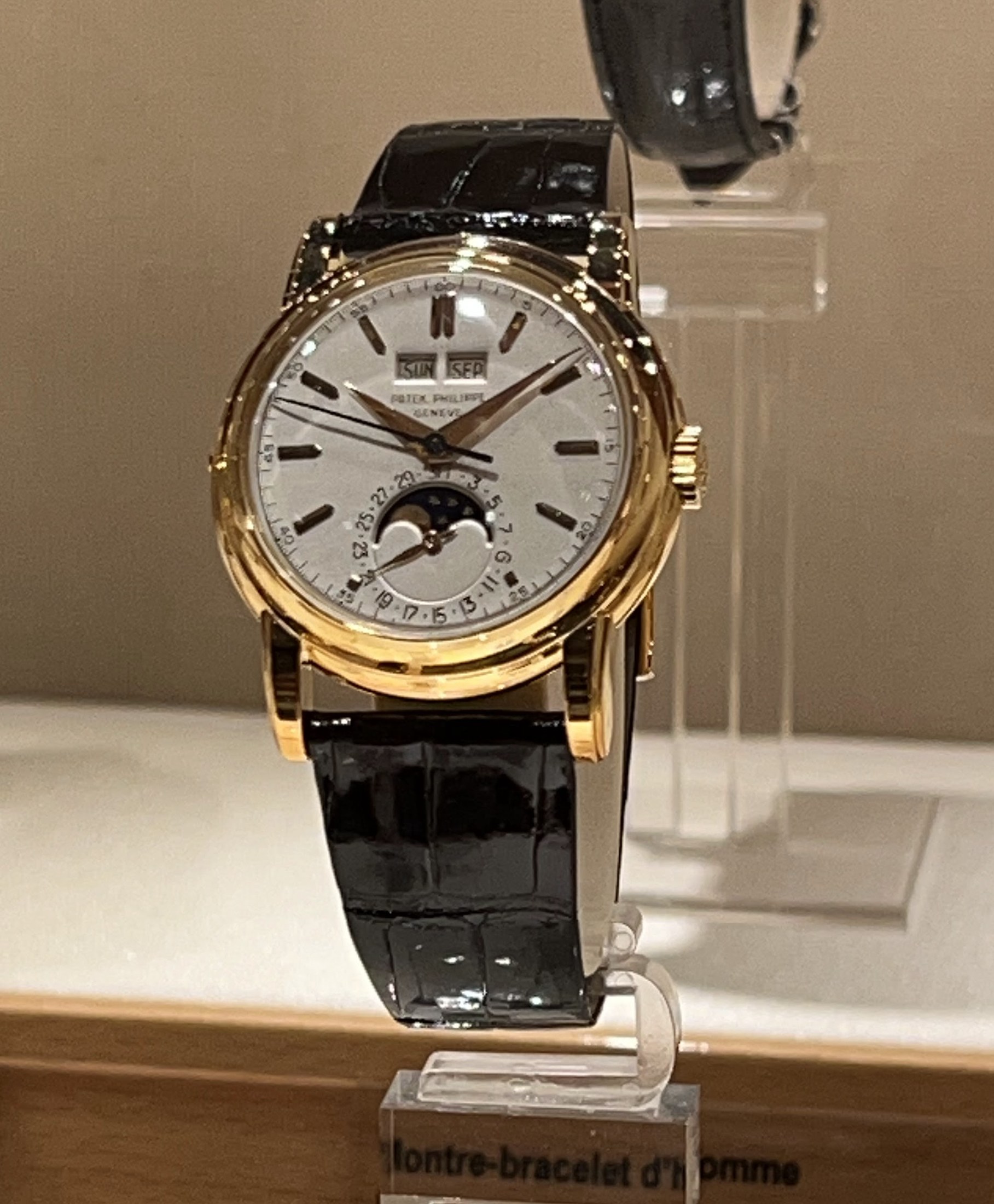
A Patek Philippe wristwatch with a moon phase, at the Patek Philippe Museum in Geneva.
In older pocket watches, greater real estate enabled even more complications. This one below could fit a moon phase, month, day of the week, date, and chronograph.
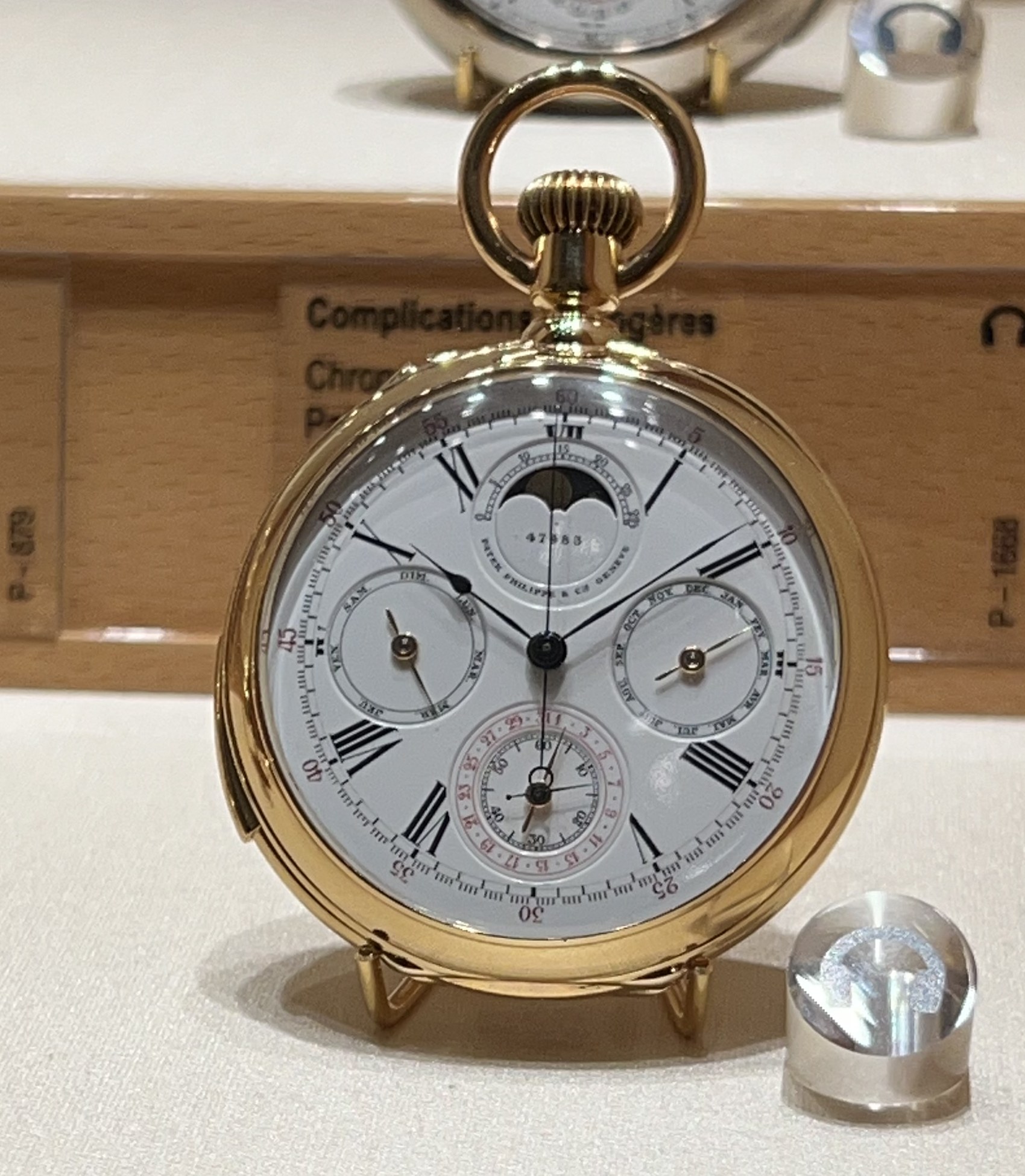
A Patek Philippe pocket chronometer with a movement from 1878.
And others that enabled globetrotters like sailors to track universal time by placing city names in the face.
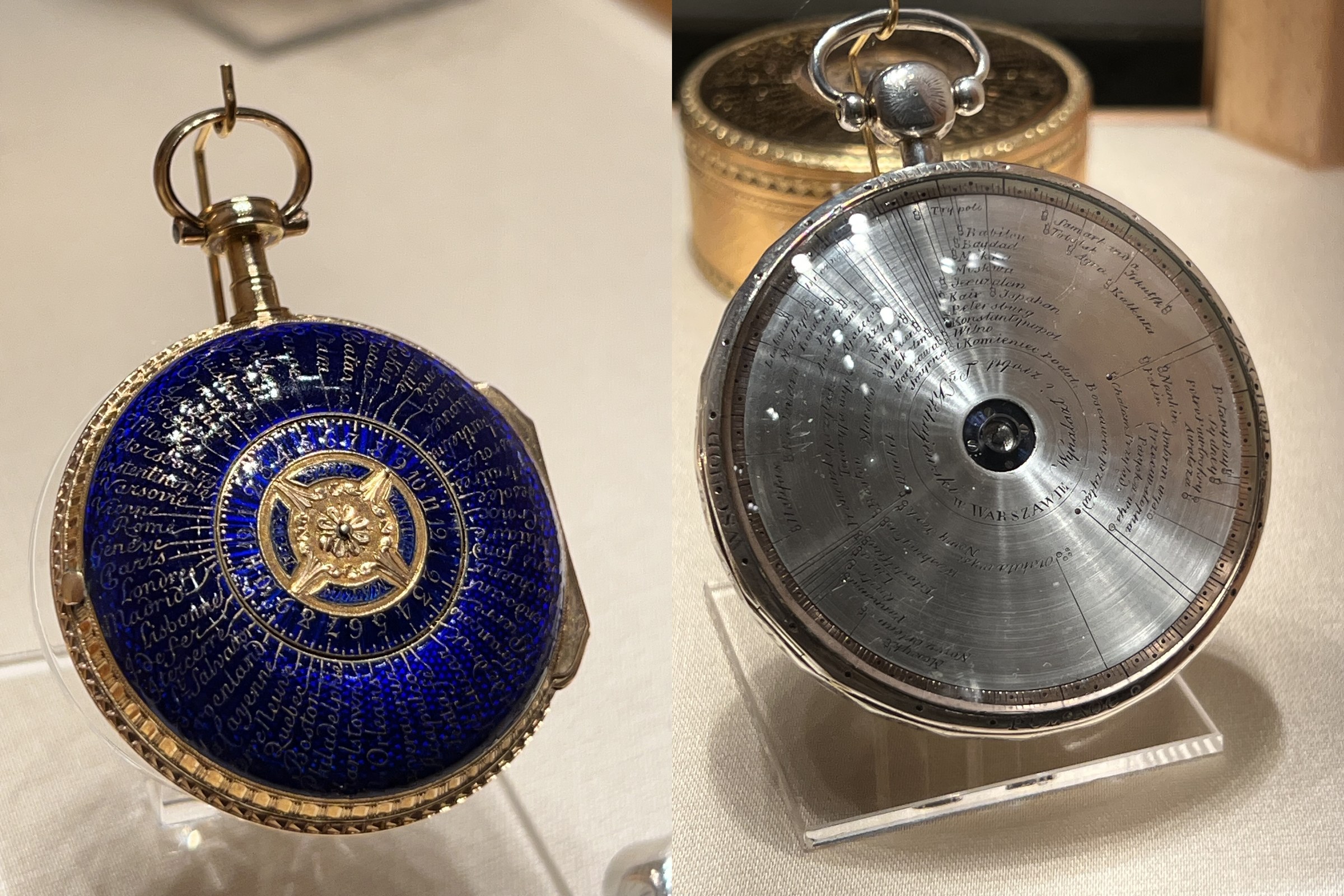
Pocket watches engraved with city names.
But the god of complications that I spent 15 minutes in front of was the Calibre 89. The most complicated watch until 2000, with a total of 33 complications.
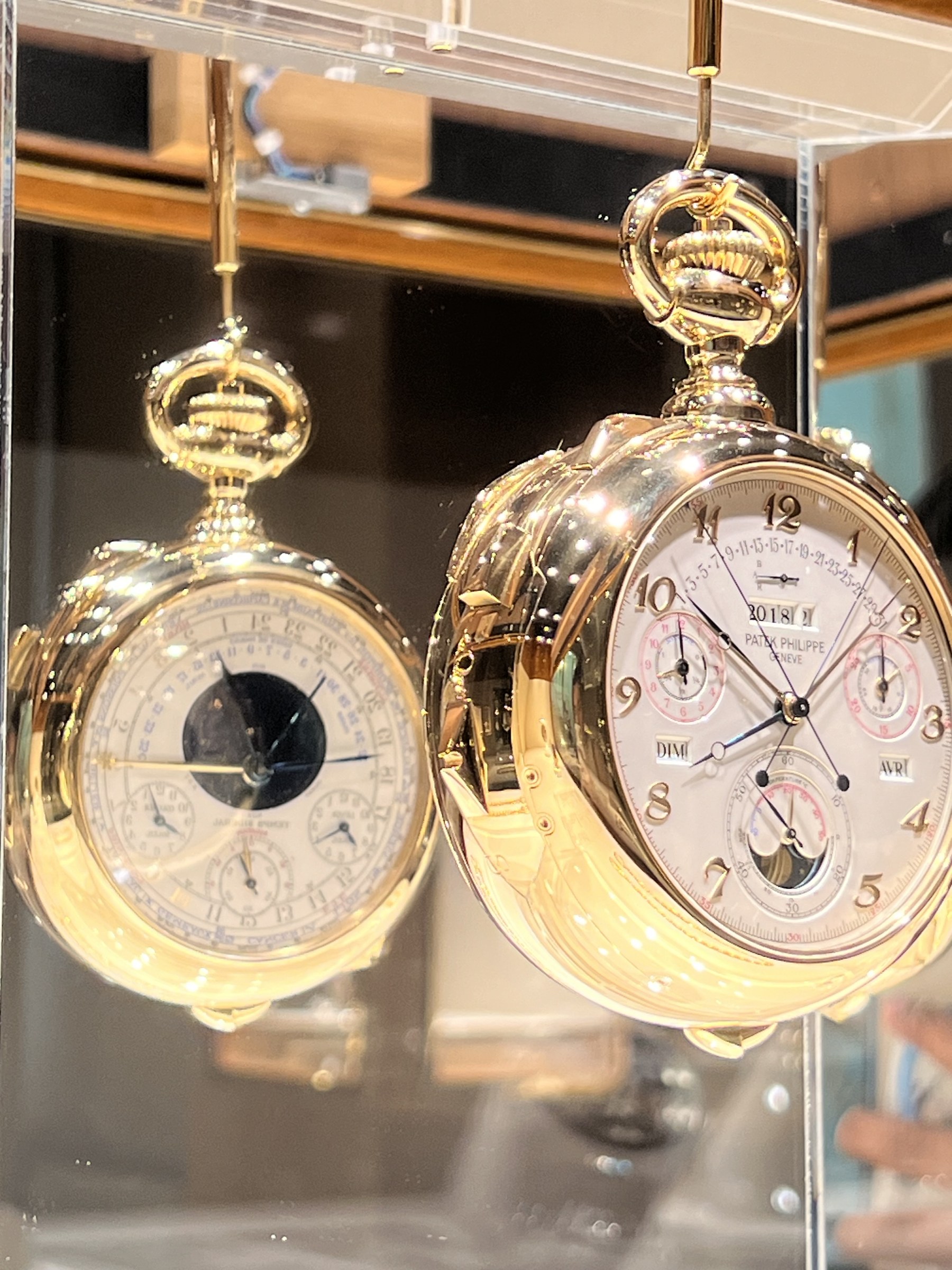
The Calibre 89, made for Patek Philippe’s 150th anniversary in 1989.
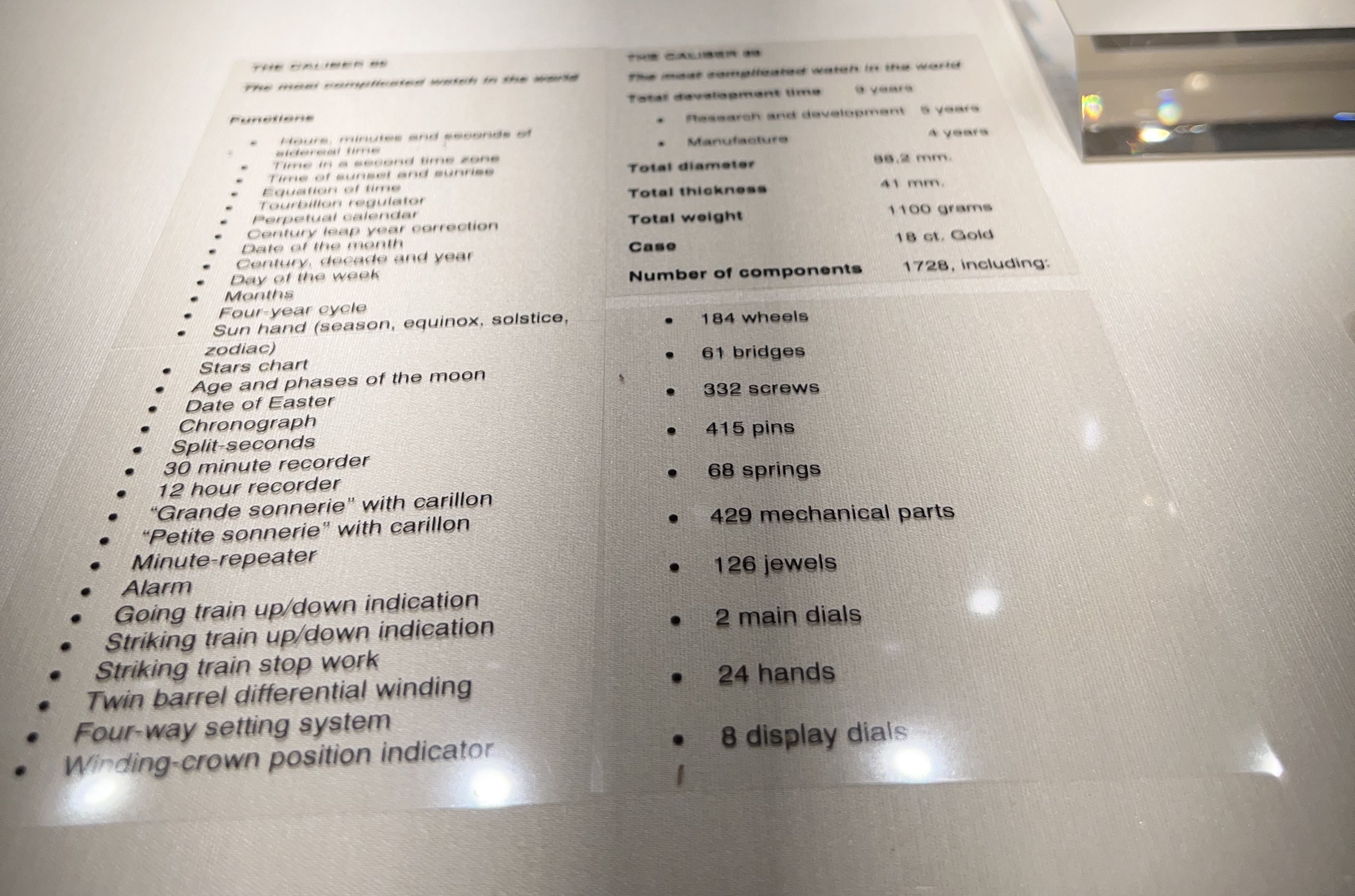
The museum label with the list of the complications.
I think what I appreciated about these watches was the information design: how much you can pack into a space that keeps it functional and beautiful, yet packs a lot of complexity and information to aid often time-bound decision-making. They embodied Tufte’s argument that a good chart gives you the maximum amount of information in the least amount of space. In addition to being functionally well designed, they were novel and stunning and were also mechanical and engineering marvels.
And when I draw that parallel to charts, I also think about our preferences. As my finance bro husband marvelled at the simplicity of elegant designs, I stayed obsessed with these complications.
When we make visualisations, of course, data can be easy to understand with bar charts. But then data could also be complicated, like a marimekko or a voronoi. There will be times when the client will dismiss the complication because people don’t have the time and request us to simplify it. But sometimes the complication will be celebrated. Just how some charts are for dashboards and others are for museums.
I wonder if maybe people who only pick bar charts also want their watches to only tell time. But then again, I remember the several minutes I spent on the Calibre 89, while much of the other uncomplicated watches seem unremarkable and less memorable to me.
This post is part of a series I am doing to build a writing ritual where I write something publicly everyday for 100 days. For details, see the first post.
Primary rule of the challenge: No text will be LLM generated or enhanced.
For this post, I wrote everything by hand, ran it through an AI grammar check using the free tier of LanguageTool. I then had my husband give me feedback, rewrote some parts to impress him and finally hit publish.